Resurrection of the Body
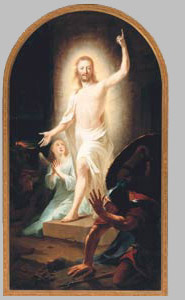
All Christians’ faith rests on Christ’s resurrection from the dead. The resurrection of Christ concluded that he was God. His death and resurrection paved the path for the redemption of all of humanity that believed. In Christian beliefs, all who have died will be resurrected from their earthly bodies and become new persons in Christ.
Easter is the annual celebration of the resurrection of Jesus Christ and the principal feast of the Christian year. Easter is a culmination of an entire week.
The Sunday before Easter is called Palm Sunday. It is celebrated to remember the entry of Jesus into Jerusalem. Good Friday commemorates his crucifixion, i.e., death on the cross. On Easter every Christian celebrates Jesus’ rising to new life, which is a symbol of their own new life.
The Church
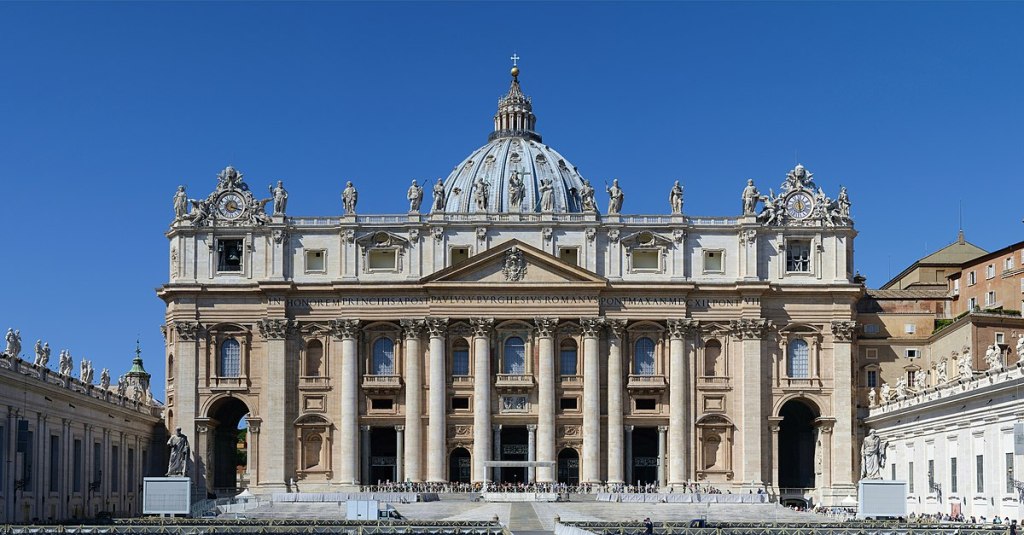
All the Christians believe that Jesus founded the Church to carry on his vision and message by Peter and other apostles. The church is called to live out the values of love, forgiveness, equality, justice, and brotherhood, the values taught by Jesus. The Church, as a community of the faithful, supports each other and brings the community closer to God. The leaders of the Church are specially chosen by the people and by God himself.
Communion
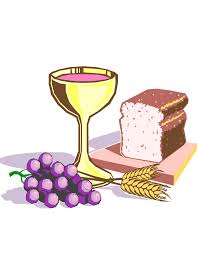
Eucharist or communion is practiced to remember Jesus’ life, death, and resurrection. In this practice, bread and wine are symbolically used or transformed by an ordained minister and taken by the minister and members of the congregation. By performing this ritual, Christians are following Jesus’ command at the Last Supper, “Do this in remembrance of me.” The bread represents his body that was broken for humanity. The wine represents the blood that he shed for all. Eucharist is one of the seven sacraments accepted by the Catholic Church.
Baptism
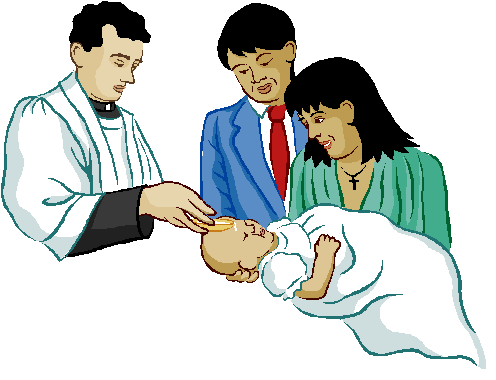
Another sacrament which Christians all over accept is Baptism, the initiation into the Church. Christians believe that a sacrament is a special sign instituted by God, and accepted by the Catholic Church: “a sacrament is a visible sign of invisible grace from God.”
Eschatology
Eschatology is concerned with the afterlife, beginning with death and the personal judgment that follows the death of the individual, and is followed by the destination of heaven (place of eternal bliss) or hell (place of punishment). Eschatological passages, sometimes called “apocalyptic” writings, are found throughout the Bible, in both the Old Testament (Hebrew Scriptures) and the New Testament.
The second coming of Christ is the central event in Christian eschatology. Most Christians believe that death and suffering will continue to exist until Christ’s return.
Generally Christians also believe that salvation comes from God. But they believe that it is channeled through church sacraments to sinful but repentant persons. Liberal Christians generally interpret hell symbolically, not as an actual place. Here the emphasis is less on the sins of the individuals, and more on the abundance of God’s Grace.
 Philosophy